


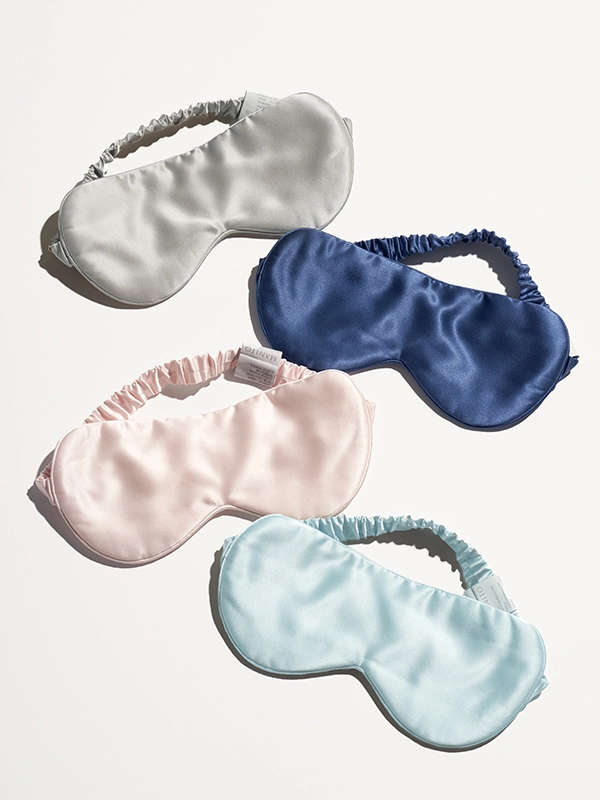



Silk pillowcases are valued for their smooth texture, soft feel, and natural sheen. Preserving these qualities starts with proper care, especially when it comes to washing. Unlike everyday cotton bedding, silk requires a gentler approach to keep it looking and feeling its best.
Washing silk at home is entirely manageable with the right approach. Whether you choose to wash your pillowcase by hand or in a machine, a few simple precautions can make a difference.
Silk Pillowcase Washing Essentials:
- Hand washing: Clean the fabric gently, without rubbing or wringing.
- Machine washing: Use a delicate cycle if the care label allows.
- Water and detergent: Keep water below 86°F (30°C) and use a silk-safe detergent.
- Drying: Air dry flat, away from direct sunlight and heat.
Table of Contents
Before You Wash a Silk Pillowcase
A little preparation can make washing silk more straightforward. Start by checking the care label to confirm whether your silk pillowcase can be hand washed, machine washed, or professionally cleaned. Then gather what you need for your preferred method.
| Preparation | What to Check or Prepare |
|---|---|
| Care label | Confirm the permitted washing method and any special instructions |
| Basin or sink | Use a clean container for hand washing or pre-soaking |
| Silk-safe detergent | Choose a mild formula suitable for silk fibers |
| Mesh laundry bag | Prepare one if machine washing is permitted |
| Clean, soft towel | Use it to absorb excess moisture after washing |
| Color separation | Keep light and dark silk items separate |
With everything prepared, you can choose the washing method that suits your pillowcase.
How to Hand Wash a Silk Pillowcase
Hand washing allows you to control how the fabric moves through the water, making it a practical choice for delicate silk. The process is simple, but it’s worth taking your time with each step.
Step 1: Soak the pillowcase.
Turn the pillowcase inside out, then place it in a clean basin of cool water for 3–5 minutes. Cold water is generally the safest choice, although slightly lukewarm water may also be used if the care label permits. Keep the temperature below 86°F (30°C); hot water can damage delicate silk fibers and affect the fabric’s finish.
Step 2: Prepare the cleaning solution.
Replace the soaking water with fresh, cool water and add a detergent specifically suitable for silk. A mild, preferably pH-neutral formula without enzymes or bleach is a good choice, as these ingredients can be unsuitable for silk’s protein-based fibers.
For washing silk at home, MANITO offers Delicate Care Liquid Laundry Soap as an alternative to regular laundry detergent. Follow the dosage instructions and mix the detergent thoroughly into the water before adding the pillowcase.
Step 3: Wash gently.
Lower the pillowcase into the cleaning solution and lightly press the fabric through the water. Pay extra attention to areas where skin oils or hair products may have accumulated, but avoid rubbing or pulling the silk.
Step 4: Rinse thoroughly.
Empty the basin and rinse the pillowcase with fresh, cool water until no detergent remains. Change the water as needed, moving the pillowcase gently rather than squeezing it repeatedly.
Step 5: Remove excess water.
Lift the pillowcase out of the basin and press out some of the water with your hands. Don’t twist or wring it. Instead, transfer it to a clean towel, which will absorb the remaining moisture before drying.
How to Wash a Silk Pillowcase in a Washing Machine
For machine-washable silk pillowcases, the gentle cycle is a convenient alternative to hand washing. The main consideration is keeping it protected from rough contact and excessive movement inside the drum.
Step 1: Pre-soak the pillowcase.
Turn the pillowcase inside out and soak it in clean water below 86°F (30°C) for 3–5 minutes. Gently press out excess water afterward.
Step 2: Place it in a mesh laundry bag.
Slip the pillowcase into a mesh laundry bag to help protect it from friction against the machine drum and other garments. Keep it separate from heavy clothing and items with exposed zippers or rough fastenings.
Step 3: Select a gentle cycle.
Set your machine to Silk, Delicate, or Hand Wash, using cool water and the lowest appropriate spin setting. Avoid standard cycles that involve stronger agitation.
Step 4: Add a silk-safe detergent.
Measure the recommended amount of detergent formulated for silk. Skip bleach, fabric softeners, and general-purpose products that aren’t suitable for delicate fibers.
Step 5: Remove promptly.
When the cycle ends, take the pillowcase out of the bag and gently smooth it with your hands. Leaving wet silk crumpled in the machine can make creases more noticeable.
How to Dry a Silk Pillowcase Without Damaging It
Once washing is finished, the pillowcase still needs careful handling. Avoid stretching wet silk or hanging it by its corners, as the weight of the water can pull on the fabric. Laying the pillowcase flat helps support it as it dries.
- Absorb excess water. Spread the pillowcase over a clean, dry towel, then roll the towel gently to draw out moisture.
- Smooth the fabric. Unroll the towel and spread the pillowcase out, easing away folds without stretching the silk.
- Lay flat to air dry. Place the pillowcase on a clean, flat surface in a shaded area with good air circulation.
- Allow it to dry completely. Make sure the pillowcase is fully dry before putting it back on your pillow or storing it.
If your pillowcase has wrinkles, gently iron the reverse side while the silk is still slightly damp. Keep the temperature below 248°F (120°C) and check the care label first. A garment steamer suitable for silk is another option.
Can You Put Silk Pillowcases in the Dryer?
We recommend air drying silk pillowcases rather than using a tumble dryer. Heat and repeated movement can place unnecessary stress on delicate silk fibers, even at lower temperatures. Flat drying in a shaded, well-ventilated area is the preferred approach.
Common Mistakes That Can Damage Silk Pillowcases
Even when using the correct washing method, a few everyday habits can affect how silk looks and feels over time.
- Using unsuitable cleaning products. Bleach, fabric softeners, and detergents not intended for silk may alter the fabric’s finish. Check the product label before use rather than relying on a general-purpose laundry detergent.
- Scrubbing stubborn stains. Vigorous rubbing can disturb the smooth surface of silk. Work gently around the stained area. If the mark remains, a professional cleaner experienced with silk may be the safer choice.
- Storing silk while it’s still damp. Folding or storing a pillowcase before it has dried completely can trap moisture and lead to unwanted odors. Allow it to air dry fully before putting it away.
Caring for Your Silk Pillowcase Over Time
Washing a silk pillowcase doesn’t require complicated steps, but the details matter. Whether washing by hand or machine, using the right detergent, keeping the water cool, and allowing the fabric to air dry can help preserve its softness and natural sheen. With consistent care, your silk pillowcase can remain a comfortable part of your nightly routine.
Frequently Asked Questions
How Often Should You Wash a Silk Pillowcase?
Washing your silk pillowcase every 1-2 weeks is a reasonable frequency. You may need to wash it more often if you frequently use skincare or haircare products, tend to sweat at night, or notice a visible buildup of dirt or residue. Regular gentle cleaning will remove the residue of daily life without putting the fabric through unnecessary wear and tear.
Should a Silk Pillowcase Be Washed Before Its First Use?
A gentle wash before first use is optional, but it can help freshen your pillowcase after packaging and handling. If you choose to wash it, check the care label and use the recommended method for silk.
Can You Use Regular Laundry Detergent on Silk Pillowcases?
Not all regular laundry detergents are suitable for silk. Some contain enzymes, bleach, or other ingredients that can be harsh on delicate fibers. Choose a detergent specifically formulated or clearly labeled as suitable for silk, and follow its dosage instructions.
What If a Silk Pillowcase Feels Stiff After Washing?
Stiffness after washing can be caused by detergent residue or incomplete rinsing. If you suspect detergent remains in the fabric, gently rinse the pillowcase again in cool water and air dry it properly. Do not use fabric softener, as this may not be suitable for silk.
