


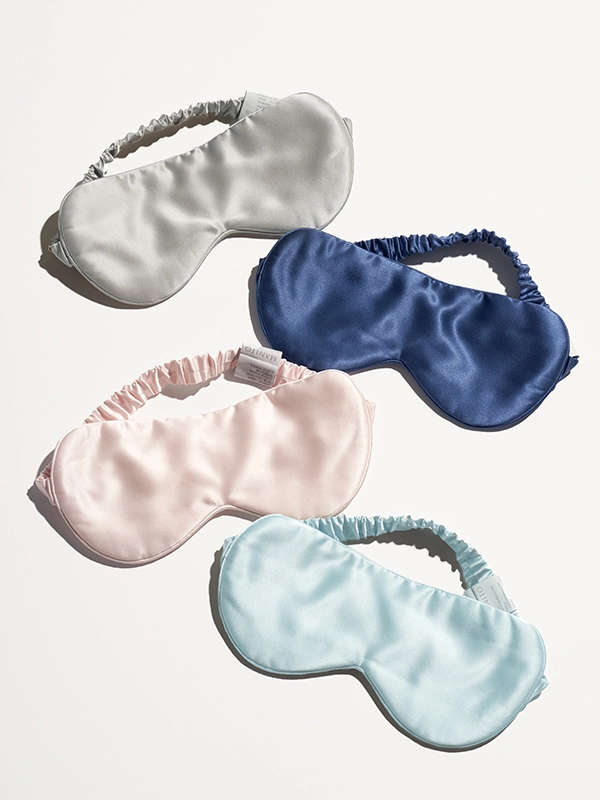


Charmeuse, meaning “charmer” in French, is a unique type of fabric commonly made with a satin weave. Many people feel confused by labels like “mulberry silk” and “charmeuse silk” when shopping for silk products. Mulberry silk, sourced from Bombyx mori silkworms, is a premium raw material prized for its fine, soft, and naturally lustrous fibers. In contrast, charmeuse silk is a fabric type crafted with a satin weave, offering a glossy, smooth surface and elegant drape, ideal for bedding and apparel.
Table of Contents
- What Is Charmeuse Silk ?
- How Is Charmeuse Silk Made?
- Characteristics and Benefits of Charmeuse Silk
- Applications of Charmeuse Silk
- Charmeuse Silk vs. Mulberry Silk vs. Satin
- Is Charmeuse Silk Real Silk?
- How to Care for and Maintain Charmeuse Silk
- Conclusion
- Frequently Asked Questions
- What Does Charmeuse Silk Look Like?
- Is Charmeuse Silk Good for Hair?
- Can You Wash, Iron, or Steam Charmeuse Silk?
- Does Charmeuse Silk Shrink?
- How Do You Sew or Dye Charmeuse Silk?
What Is Charmeuse Silk?
Charmeuse silk refers to a fabric made with silk fibers and a satin weave. It has a satiny smooth texture on one side and a softer, duller finish on the other. Because of its smooth surface, it appeals to customers who enjoy a refined appearance and fluid drape.
It is useful to distinguish the terms clearly. Silk describes the fiber, mulberry silk describes the source of the silk fiber, and charmeuse describes a fabric commonly associated with a satin weave. Therefore, “charmeuse silk” means charmeuse made with silk fibers. Charmeuse can also be made from other fibers, including polyester or rayon, so the word “charmeuse” alone does not prove that a product is real silk.
How Is Charmeuse Silk Made?
The history of silk dates back to 3630 B.C. in ancient China. Chinese silk garments evolved during that period and were valued for their fineness. Silk later spread to the West through trade, and manufacturers used Chinese yarn to weave new fabrics.
Silk workers extract fibers from silkworm cocoons. To unravel the cocoons, workers soften them in water and find the loose ends. The loose ends pass through eyelets and are attached to reels. The silk fibers are twisted to produce a continuous string and are then made into yarn.
The yarn is woven into fabric using a satin-weave structure. In this type of construction, longer floats create a smoother surface that reflects more light. Modern factory looms continue to produce silk fabrics using these principles.
Read More: How is Silk Made
Characteristics and Benefits of Charmeuse Silk
Charmeuse silk fabric has a unique blend of soft, lustrous drape that makes it perfect for clothing and bedding. Although both the surfaces are comfortable and soft, the back consists of a soft, duller finish. It’s a distinct feature resulting from how the fabric is woven. Originating in ancient China and later crafted in France, this fabric is now woven on large factory looms. For bedding, people place the smoother top layer on top for maximum comfort. Although some may have silk allergies, its impact is milder compared to other materials.
Applications of Charmeuse Silk
Charmeuse silk woven fabric has become more common these days. This fabric is widely used in the fashion industry for several categories of garments. It is commonly used as apparel and bedding. Moreover, many uses of the fabric include lines of pants and jackets as well.
Apart from that, this form of silk is used in robes and nightwear that give the ultimate comfort. Charmeuse silk has made its way to MANITO, which offers luxurious silk home collections. Additionally, this kind of silk is woven with other materials to bring out the best of 100% mulberry silk. You will find them exclusively in MANITO products.

Charmeuse Silk vs. Mulberry Silk vs. Satin
Mulberry silk, satin, and charmeuse silk are related but not interchangeable. Mulberry silk identifies the source of the silk fiber, satin identifies a weave or fabric category that may use different fibers, and charmeuse silk identifies silk woven into a lightweight satin construction. The comparison below shows how the three terms differ in definition, composition, appearance, and use.
| Comparison | Mulberry silk | Satin | Charmeuse silk |
|---|---|---|---|
| What it means | Silk produced by Bombyx mori silkworms fed primarily on mulberry leaves | A weave structure or broad fabric category | A lightweight satin-weave fabric made from silk |
| Fiber content | Silk | Silk, polyester, rayon, or blends | Silk |
| Construction | Can be woven into charmeuse or other fabric types | Long floats create a smooth, reflective surface | A satin construction with a lustrous face and matte reverse |
| Appearance and drape | Depends on the weave and finish | Usually smooth and lustrous; weight and drape vary | Smooth, lustrous, lightweight, and fluid |
| Common uses | Apparel, bedding, and accessories | Apparel, home textiles, and accessories | Sleepwear, robes, dresses, pillowcases, and bedding |
| What to check | Fiber source and product specifications | The fiber-content label | Silk content, momme weight, finish, and care label |
Is Charmeuse Silk Real Silk?
Charmeuse silk is real silk when the product’s fiber-content label confirms that it is made from silk. However, “charmeuse” alone does not guarantee that a fabric is silk. Before buying, check for “100% silk,” “100% mulberry silk,” or a clearly stated silk blend. Do not rely on price, shine, or hand feel alone to identify real silk.
For MANITO products, the most reliable information is the material and care information shown on the individual product page and label. You can also review the product’s weight or momme information, care instructions, and supplier details when available.
How to Care for and Maintain Charmeuse Silk
Although charmeuse silk may be hand- or machine-washable, a little extra attention is necessary. Always follow the care label for the specific product. Wash silk items in cold water using a mild detergent recommended for silk products.
Don’t rub or scrub the items hard. For machine washing, use a laundry bag and select the gentlest setting only when the care label permits it. Avoid washing silk with rough materials. Do not twist or wring the item. Instead, gently roll it to remove excess water and lay it flat or hang it indoors according to the product instructions. Avoid direct sunlight and high heat.
Conclusion
Charmeuse silk, with its reflective front and matte back, stands as a testament to traditional weaving techniques and modern applications. Its unique attributes make it a cherished material in today’s world. Embracing charmeuse silk ensures a touch of luxury, comfort, and elegance in everyday life.
Frequently Asked Questions
What Does Charmeuse Silk Look Like?
charmeuse silk typically has a glossy or lustrous front and a softer, duller back. Both sides can feel smooth and comfortable, but their visual finishes are different. The exact appearance may vary according to the fabric’s weight, color, print, finishing, and construction.
Is Charmeuse Silk Good for Hair?
Charmeuse silk has a smooth surface that creates less friction against the hair than many rougher fabrics. This may help reduce tangling and keep hairstyles neater overnight. However, it should not be presented as a treatment for hair breakage or hair loss.
Can You Wash, Iron, or Steam Charmeuse Silk?
Care requirements vary by fiber content, construction, and finish, so always follow the product’s care label. If ironing or steaming is allowed, use low heat on the reverse side and test a hidden area first. See MANITO’s Silk Care Guide for product-specific instructions.
Does Charmeuse Silk Shrink?
Charmeuse silk can shrink or lose its shape when exposed to high heat, harsh washing, or improper drying. The extent depends on the fiber, finish, and whether the fabric was pre-shrunk. Follow the care label and avoid high temperatures to minimize the risk.
How Do You Sew or Dye Charmeuse Silk?
Because charmeuse silk is lightweight and slippery, use fine, sharp tools, support it while cutting, and test stitches on a scrap first. It can also be dyed, but the result depends on the dye, temperature, original color, finish, and any blended fibers. Test a hidden area first or use a professional service for valuable finished items.
